Genetics and cancer
Partner with the University of Edinburgh on the latest approaches in genetic, genomic, cellular and clinical science to understand cancer and human genetics and is home to one of the largest human molecular genetics and biology research communities in the UK.
The University of Edinburgh brings together the scientific expertise, technology and support services needed to enable rapid translation of research into treatments for the benefit of patients and society. This is achieved by pooling the resources and complementary skills of our constituent research centres, and by linking the research lab with clinical practice wherever possible.
Key areas of expertise:
Genomic Medicine
Using genetics and genomics to diagnose, understand, better treat and prevent disease, our researchers generate and validate rapid and accurate clinical genetic tests and biomarkers for developmental disorders and cancer, improve prediction of disease risk and treatment response through integrated analysis of phenotypic and molecular data from patients through to population, and harness the potential of gene therapy and therapeutic gene editing to treat disease.
4-Dimensional Cellular Medicine
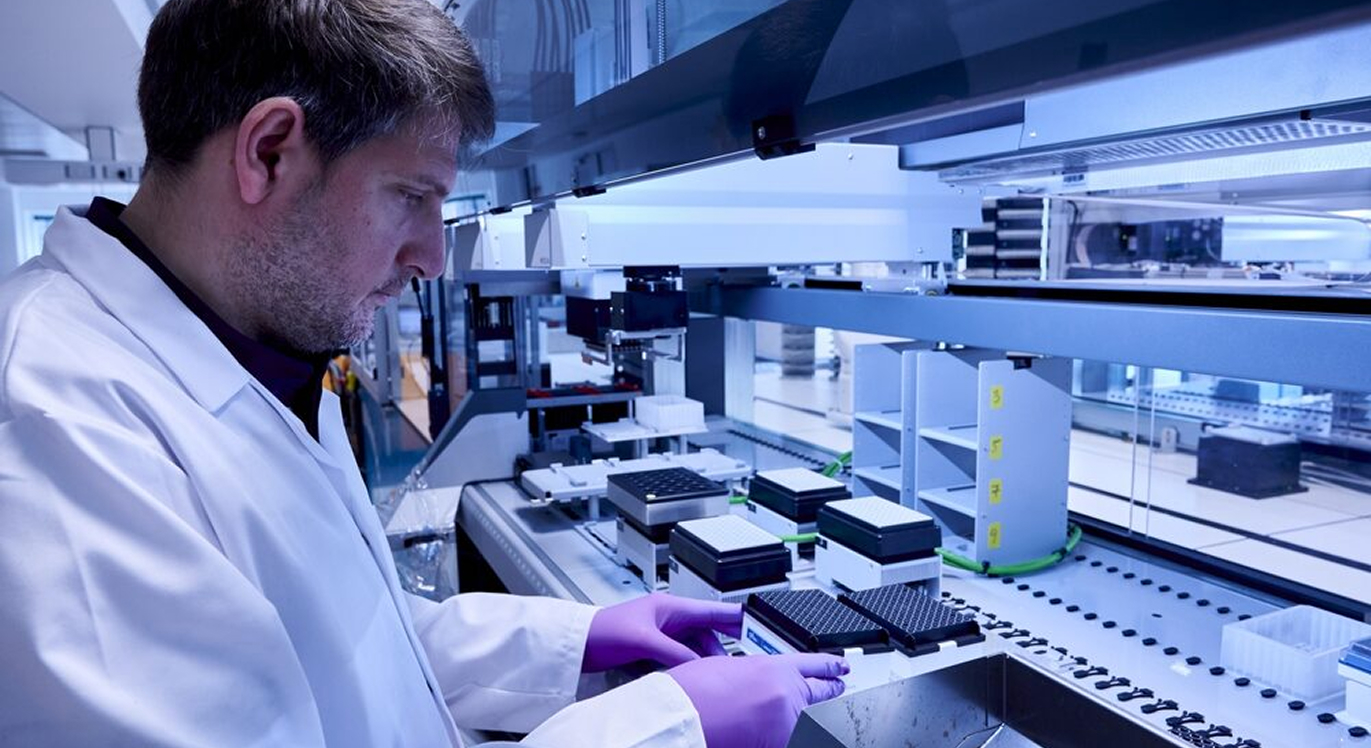
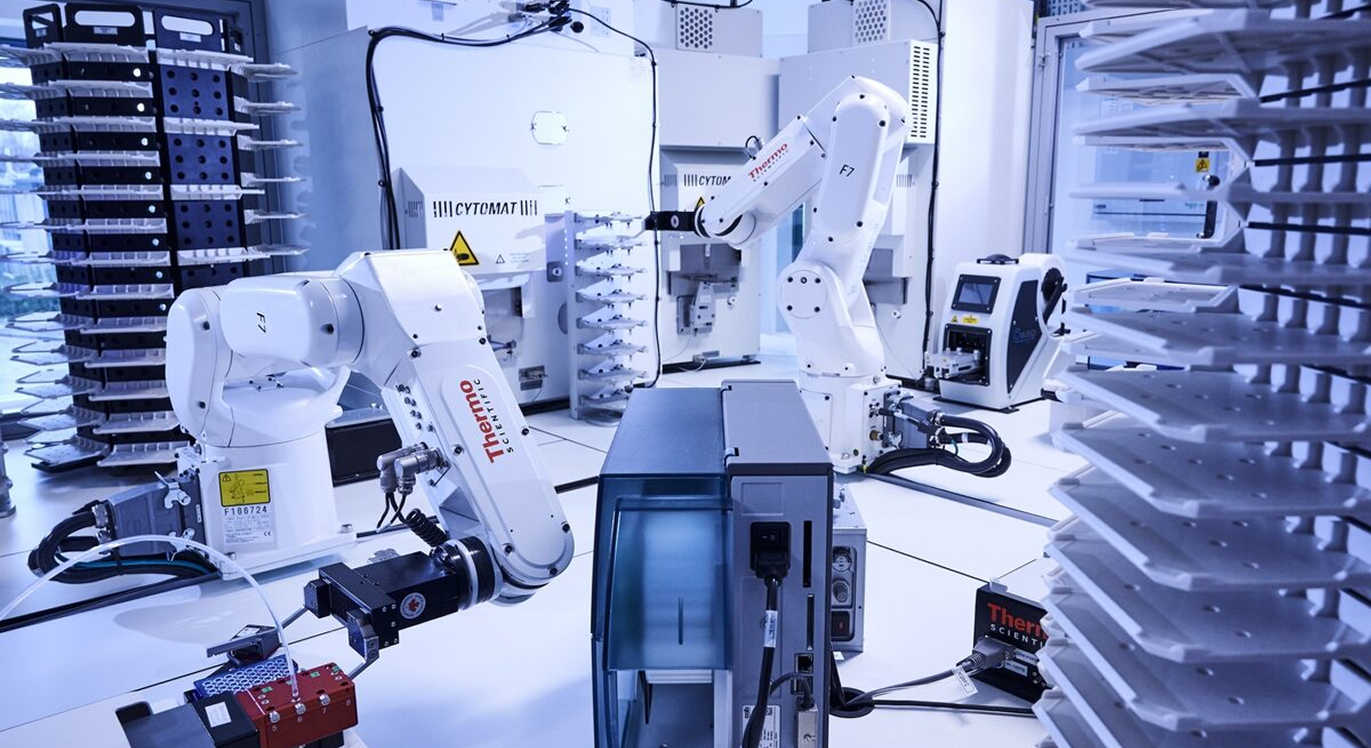
Harnesses state-of-the-art cell, organoid and animal models by integrating with the latest advances in CRISPR genome editing, single-cell transcriptomics and image-based phenotypic screening technologies to understand the genetic and molecular basis of disease through space and time. Accelerate the discovery and development of drugs and therapeutics using these models and techniques.
Translational cancer research
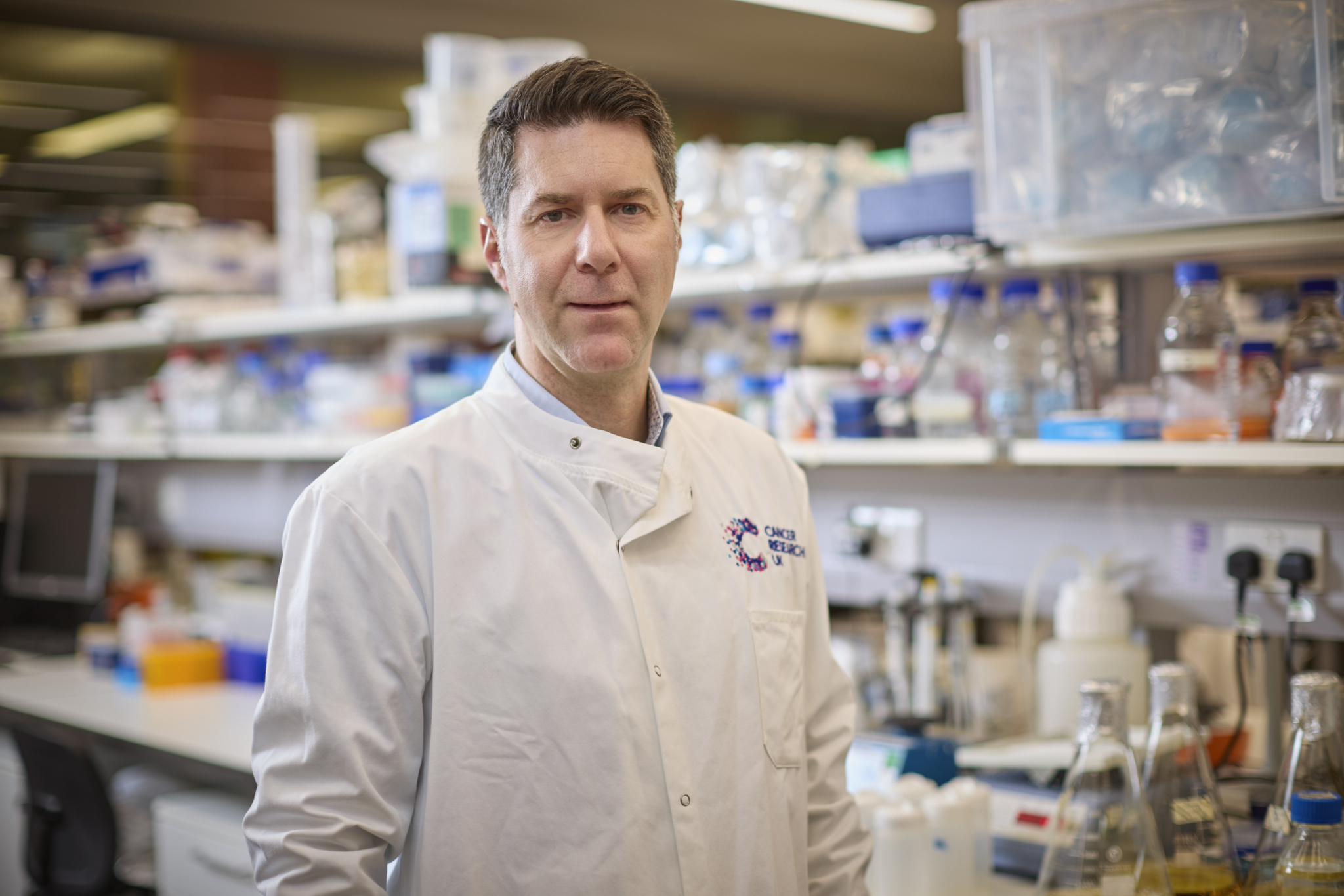
Looking at a range of cancer types, the Cancer Research UK Edinburgh Centre (CRUK) brings clinicians and scientists together to deliver outstanding cancer research and improvements in patient care. With integration with the Edinburgh Experimental Cancer Medicine Centre (ECMC) and its Host and Tumour Profiling Unit (HTPU), our research brings new evidence-led therapies to patients faster. Translational science benefits from a close partnership between the University and the NHS Lothian patient population.
Molecular and Digital Pathology
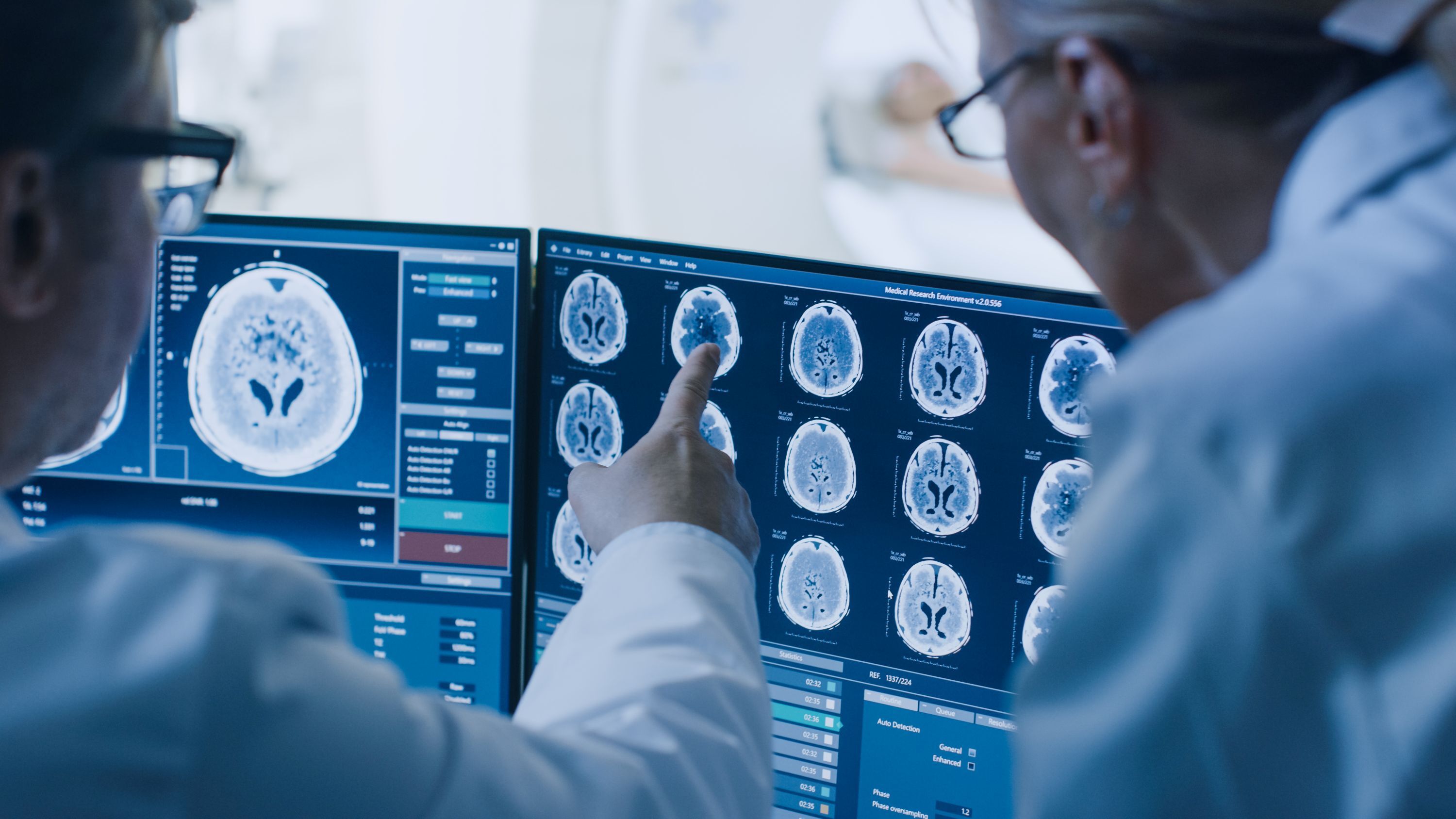
Collaborate with us on the development of new tests and clinical applications from clinical images and genomic data to advanced algorithms, statistical and computational methods. These aim to:
- increase the speed and efficiency of digital pathology tests
- better monitor disease evolution
- increase accuracy of diagnostic tests
- better identify biomarkers of disease
Expertise
Showing all in Genetics and cancer