Cardiometabolic health
You can access our cardiometabolic health research expertise at the University of Edinburgh which is spread across three main collaborative centres covering cardiovascular, neurovascular, and metabolic health conditions, cardiac therapies and metabolic psychiatry.
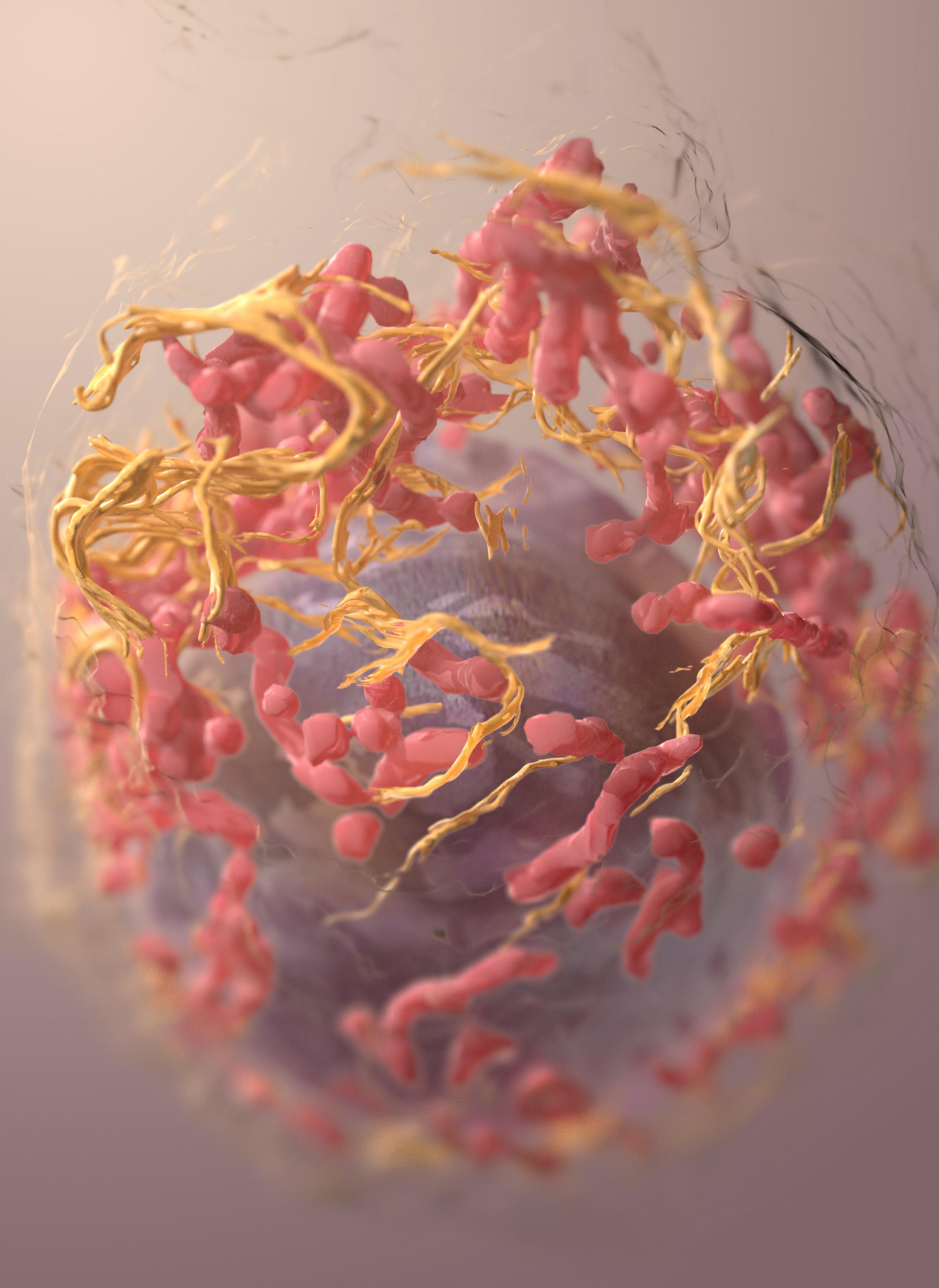
The Edinburgh British Heart Foundation Centre of Research Excellence has a focus on the heart–brain axis working to improve lives for people with cardiovascular, neurovascular, or metabolic health conditions. It covers: heart disease, stroke and vascular dementia, cardiometabolism, advanced cardiovascular imaging, and data-driven innovation.
The Medical Research Council/British Heart Foundation Centre of Research Excellence in Advanced Cardiac Therapies unites academic, healthcare, industry and public partners to develop innovative DNA and RNA-based therapies to regenerate injured hearts and reverse established damage. It is co-led by the University of Edinburgh, King’s College London and the University of Oxford.
The UK Research and InnovationI Hub for Metabolic Psychiatry brings together six interdisciplinary workstreams to advance our understanding of the connection between metabolic and mental health conditions such as bipolar disorder, schizophrenia and severe depression. It is co-led by the University of Edinburgh, Bristol, Exeter, Glasgow and King’s College London.
Expertise
Showing all in Cardiometabolic health